Loading...
Serving Downey, CA and surrounding areas. (562) 636-0357
Serving Downey, CA and surrounding areas. (562) 636-0357
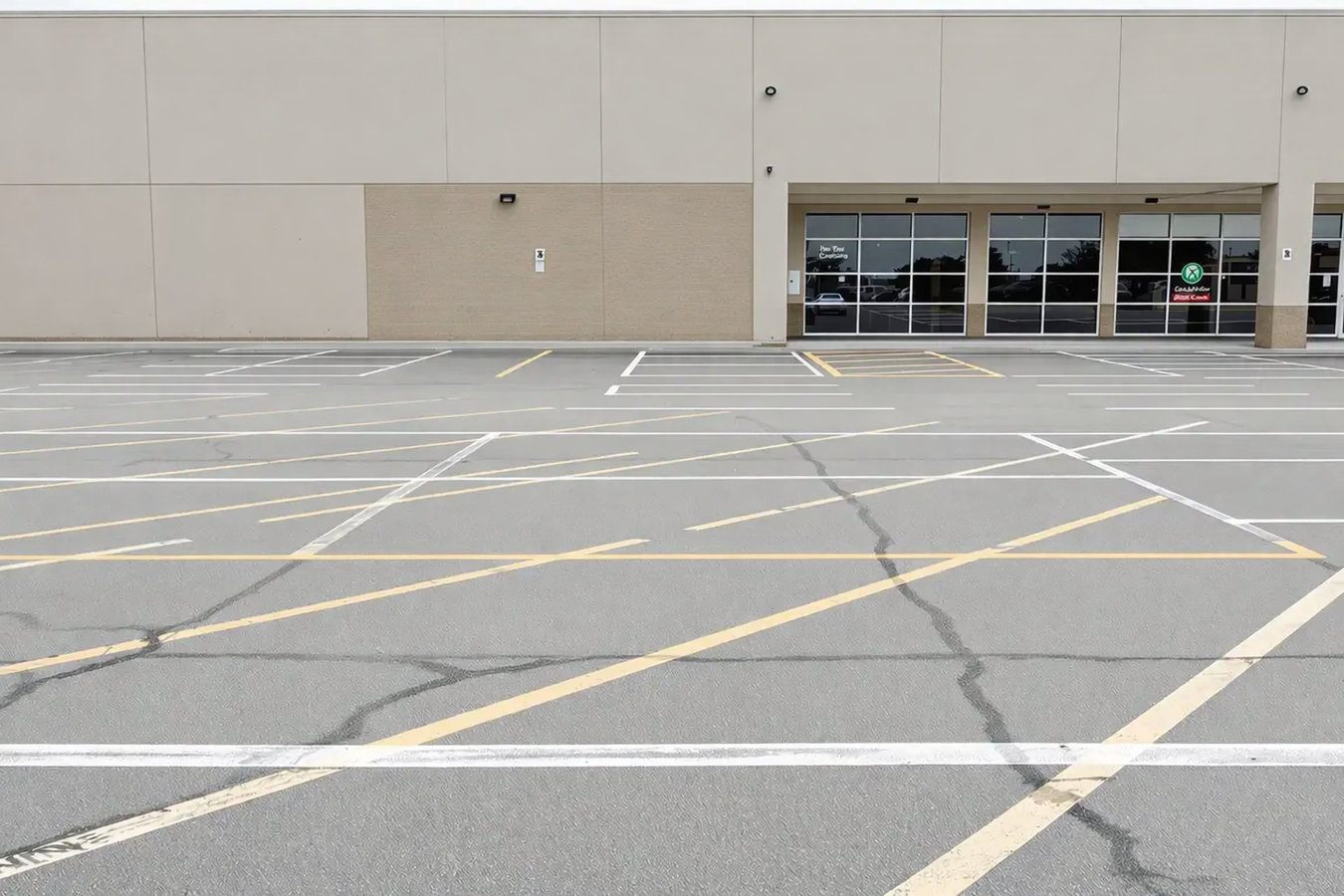
Cracked asphalt or no paved lot at all? We design and pour concrete parking lots in Downey that handle daily traffic, pass city inspection, and hold up to Southern California heat and clay-soil movement for decades.
Concrete parking lot building in Downey involves site grading, base compaction, reinforced pours, and city permits - most small lots of 10 to 20 spaces take two to five active workdays plus a seven-day curing period before use.
If you have an asphalt lot that keeps needing patches, or bare ground that turns to mud every winter, a concrete lot is the fix that does not need revisiting for decades. Downey property owners deal with specific challenges: clay soils that move with the seasons, summer heat that can flash-cure a poorly managed pour, and city permit requirements that trip up contractors who do not know the local process. We know all of it.
Many of our parking lot clients also need concrete driveway work on the same property. We can handle both on a single project, saving you time and coordination headaches.
Cracks wider than a quarter inch, or sections where one side sits noticeably higher than the other, signal that the base has failed. In Downey, clay soil movement is the most common culprit in older lots. Patching the surface is a temporary fix - once the base is compromised, a full rebuild with proper compaction is the only lasting solution.
Standing water that lingers an hour after a light rain means the drainage slope is wrong or has settled out of level. Downey's wet season arrives in bursts, and pooling water accelerates surface damage and creates slip hazards. Poor drainage design is something to correct at the base level, not the surface.
An asphalt lot with an alligator-crack texture across large areas, or one that feels soft in Downey's summer heat, has reached the end of its useful life. At some point continued patching costs more than a one-time concrete replacement that will last several decades without the annual maintenance cycle.
If you are adding an accessory dwelling unit, converting a garage, or expanding a business in Downey, the city may require dedicated paved parking spaces as a permit condition. A properly built concrete lot gives you the durable, code-compliant surface required to move your project forward.
Every parking lot project starts with the work that does not show when it is done - the grading, excavation, and base compaction that determine whether your lot holds up for 30 years or starts cracking in five. We remove existing surfaces, prepare the subgrade to the right depth for Downey soil conditions, and bring in compacted crushed rock before any concrete is placed. This is where most parking lot failures start, and it is where we spend the most attention.
For the pour itself, we size the slab thickness to the load it will carry - four to six inches for passenger vehicles, six inches or more when delivery vans or heavier equipment will use the surface. Steel reinforcement is standard on every lot we build. Drainage slope is designed from the start, not adjusted after the fact. We also handle concrete footings if your project includes any structural elements adjacent to the lot.
City permits and inspections are part of the job, not an add-on. We apply for permits through the City of Downey, manage the inspection schedule, and hand you the signed paperwork at the end. If your project also requires driveway access work connecting to the lot, we can coordinate both on a single scope.
Best for properties adding parking for the first time or replacing a failing asphalt surface.
Suits property owners who need to add spaces to an existing paved area without rebuilding the whole lot.
Designed for business owners who need a lot that handles daily traffic, meets city code, and passes inspection the first time.
Ideal for homeowners whose permit requires dedicated paved parking, or who want durable concrete over gravel or compacted dirt.
Downey sits on the kind of clay-heavy soil that is hard on paved surfaces. The ground swells during the wet season and pulls back in the summer heat, putting stress on any slab from below. According to the California Geological Survey, expansive clay soils are one of the leading causes of infrastructure damage in the Los Angeles Basin. A parking lot built without accounting for those soil conditions will show cracks and uneven sections long before its time. Building it right - with the right base depth and compaction - is the only way to stay ahead of that movement.
The city permit process adds a step that some contractors skip, but in Downey it is not optional. The City of Downey requires permits for new lot construction, and Los Angeles County applies stormwater drainage rules to lots above a certain size. We know both sets of requirements and design every lot to pass inspection the first time. That matters whether you are building in central Downey, in Norwalk, or out toward Long Beach.
Summer temperatures in Downey regularly climb above 90 degrees, which affects how and when concrete should be poured. Flash setting - when the surface hardens before the concrete has fully cured underneath - weakens the slab. We schedule pours for early morning during hot weather and use proper curing methods to prevent it. Property owners near Compton and surrounding areas deal with the same conditions, and the same approach applies.
We schedule an on-site visit - not a phone estimate - so we can check the existing surface, drainage, and access. You will have a written price before we talk about a start date, and we reply within one business day of your first contact.
We apply for all required City of Downey permits on your behalf. For most straightforward projects this takes two to four weeks for review. Work does not begin until permits are approved and the timeline is confirmed with you.
Site preparation - removing the old surface, grading, and compacting the base - typically takes one to two days. The pour follows, usually starting early morning in summer to avoid flash-setting issues. Control joints are cut and edges finished the same day.
Stay off the surface for at least seven days after the pour. We handle the final city inspection once curing is complete, hand you signed permit documentation, and walk you through joint sealing and maintenance - the steps that determine how long the lot lasts.
No obligation. We visit the site, assess soil and drainage conditions, and give you a written estimate. Most projects get a response within one business day.
(562) 636-0357We work across Downey and 11 surrounding cities, which means we have poured parking lots in the same clay-heavy soil conditions and under the same summer heat patterns that will affect your project. That hands-on local experience shows up in base depth decisions and pour scheduling.
We apply for City of Downey permits on your behalf and coordinate every required inspection - including the drainage compliance review that catches unprepared contractors off guard. You get the signed permit documentation at job completion.
Many parking lot failures trace back to rushed site prep. Our process does not shortcut the excavation, grading, or base compaction step, because that foundation work is what separates a lot that holds up from one that starts cracking after the first rainy season.
You can verify our California contractor license through the California Contractors State License Board before signing anything. A valid license means we carry the required insurance and meet the state's standards for concrete work.
When you combine local soil knowledge, permit experience, and a base preparation process that does not cut corners, you get a parking lot built to outlast the property improvements around it. That is what we bring to every job in Downey and the surrounding area.
Underground concrete bases for structures adjacent to or connected with your parking lot.
Learn moreDriveway access pours that connect your parking lot to the street with matching materials and finish.
Learn morePermit season fills up - lock in your project start date now and avoid the spring rush.