Loading...
Serving Downey, CA and surrounding areas. (562) 636-0357
Serving Downey, CA and surrounding areas. (562) 636-0357
Your driveway or patio has sunk, and now it collects water or creates a tripping hazard. We lift sunken slabs back to level using mudjacking or foam injection - most jobs done in a single morning.
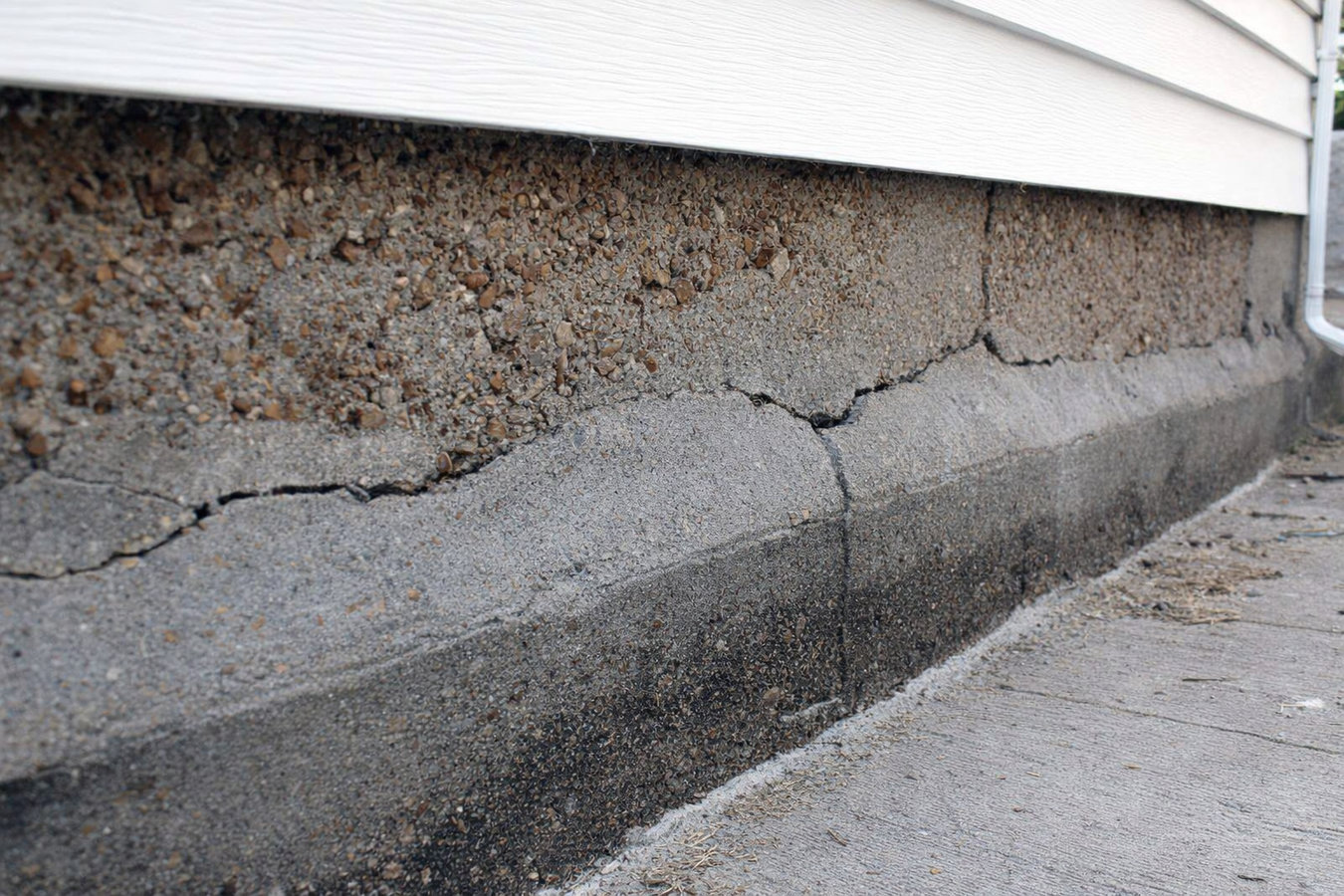
Foundation raising in Downey lifts sunken concrete slabs back to their original level by pumping material beneath them through small drilled holes - most residential jobs take two to four hours and you can walk on the surface the same day.
If your driveway section has dropped, your patio tilts toward the house, or you have a low spot that collects water after rain, foundation raising is often the fastest and most cost-effective fix. Downey homes built in the 1940s through 1960s are especially prone to slab settling because the clay-heavy soil beneath them expands and contracts with every wet winter and dry summer. When the ground shifts over decades, the concrete sinks.
Lifting the slab addresses the visible problem. But if the root cause is poor drainage or unstable soil, you may also need concrete footings work or grading improvements to keep the repair lasting. A good contractor will tell you whether raising alone is enough or whether additional work is needed.
If one section of your concrete sits noticeably higher or lower than the section next to it, that is a clear sign the slab has shifted. In Downey, this often happens gradually over years as the clay soil expands and contracts with the seasons, so homeowners sometimes do not notice until the gap becomes a tripping hazard.
When a slab sinks, it can create a low spot that collects rainwater instead of directing it away from your home. After a rainy day - especially during one of Downey's wetter El Niño winters - check whether water is sitting against your foundation or pooling on your patio. Standing water is both a sign of slab movement and a cause of further soil erosion beneath it.
Small surface cracks are common in older concrete, but cracks that run in a line across a slab - especially ones where one side sits higher than the other - suggest the slab has moved. Downey homes built in the mid-20th century are particularly prone to this because the original slabs were often poured on soil that was not compacted to modern standards.
If you can see daylight or a noticeable gap between your concrete slab and the wall, step, or threshold it used to sit flush against, the slab has dropped. This is one of the clearest signs that the soil beneath has shifted and the concrete needs to be lifted back into position.
We lift sunken concrete slabs using two proven methods: traditional mudjacking, which pumps a cement-and-soil slurry beneath the slab, and polyurethane foam injection, which uses an expanding foam that cures within an hour. Both methods work well when the underlying cause of the sinking has been identified and addressed. Your choice depends on budget, timeline, and how quickly you need the area back in service.
Beyond the lift itself, we evaluate the drainage around the work area and tell you whether improvements are needed to keep the slab stable. If the problem involves unstable soil or water erosion, we may recommend working with a concrete cutting specialist to create proper drainage channels, or adding slab foundation reinforcement where needed. The goal is a repair that lasts, not just a temporary fix.
Best for budget-conscious homeowners who do not need immediate access to the area. Takes longer to cure but costs less upfront.
Best for homeowners who need the area usable fast. Lighter, cures in about an hour, and puts less stress on the slab during lifting.
Best for slabs that sank because of water pooling or runoff issues. Prevents the same problem from recurring after the lift.
Best for older homes where the soil was never properly compacted during original construction. Stabilizes the base before lifting.
Downey sits on the Los Angeles Basin, where the underlying soils contain significant amounts of clay. Clay soil is reactive - it swells when it absorbs water during wet winters and shrinks when it dries out during long, hot summers. That constant expansion and contraction is one of the main reasons slabs in this area sink or crack over time. Homes built between the 1940s and 1960s, which make up a large share of Downey neighborhoods, were often constructed on soil that was not compacted to the standards used today, making them especially vulnerable to settling.
Southern California also experiences periodic seismic activity. Even minor tremors can accelerate soil settlement beneath slabs that are already sitting on unstable ground. If your slab has shifted noticeably, it deserves prompt attention rather than a wait-and-see approach. Foundation raising is not just about appearance - a sunken slab at the edge of your driveway or along your front walkway is a tripping hazard, and in a neighborhood where kids and older residents are often walking by, that matters.
We work throughout Downey and surrounding communities, including Norwalk, Compton, and Long Beach. Whether your home is near the Columbia Memorial Space Center or out by the city limits, we are familiar with every part of this area and the soil conditions that affect it.
When you call, we ask a few basic questions: where the sinking is, roughly how large the area is, and whether you have noticed any cracking. We schedule a time to come out and look at the slab in person before giving you a price. We reply to all calls within one business day.
We walk the slab with you, check the level, and look at the surrounding drainage and soil conditions. We explain what we think caused the sinking and whether raising is the right fix or whether the concrete needs to be replaced instead. You receive a written estimate covering the full scope of work.
The crew drills small holes through the slab in a pattern, then pumps material beneath it until the concrete rises to the correct level. They check the level as they go and stop when the slab is even. The whole process usually takes two to four hours for a typical residential area.
Once the slab is level, the crew fills the drilled holes with a concrete patch. They clean up the work area and walk you through what they did. They tell you when the area is safe to walk on and when you can drive on it if it is a driveway.
We provide written estimates, pull any required permits, and finish most jobs in a single morning. No surprises, no pressure.
(562) 636-0357We have worked on hundreds of driveways, patios, and walkways across Downey since we opened. That experience means we have seen every type of soil condition and sinking pattern this area produces, and we know what fixes hold and what fixes fail.
The City of Downey requires permits for certain foundation work, and skipping that step can create problems when you sell your home. We pull permits through the Downey Building and Safety Division when needed, so the work is on record and you are protected. Learn more at Downey Building and Safety.
You do not have to block off your driveway for a week or rearrange your life around a long cure time. Most jobs in Downey are complete in a single morning, and you can walk on the surface within hours. If it is a driveway, your car is back on it by the next day.
In Downey, a slab does not sink for no reason. The clay-heavy soil moves with every wet winter and dry summer, and that movement adds up over decades. We do not just lift your concrete and leave - we tell you what caused the problem and whether anything else needs attention so you are not calling us again in two years. The California Contractors State License Board maintains licensing standards for all foundation contractors in the state.
We work in Downey because we know this city. We understand the housing stock, the soil conditions, and what homeowners here expect from a contractor. When you call us, you are talking to a crew that has worked on homes just like yours.
Precision cutting for openings, drainage channels, and slab removal using diamond-blade equipment.
Learn moreNew concrete slab foundations for residential and light commercial structures.
Learn moreCall now to schedule your free assessment. Most Downey jobs are completed in a single morning, and you can walk on the surface the same day.