Loading...
Serving Downey, CA and surrounding areas. (562) 636-0357
Serving Downey, CA and surrounding areas. (562) 636-0357
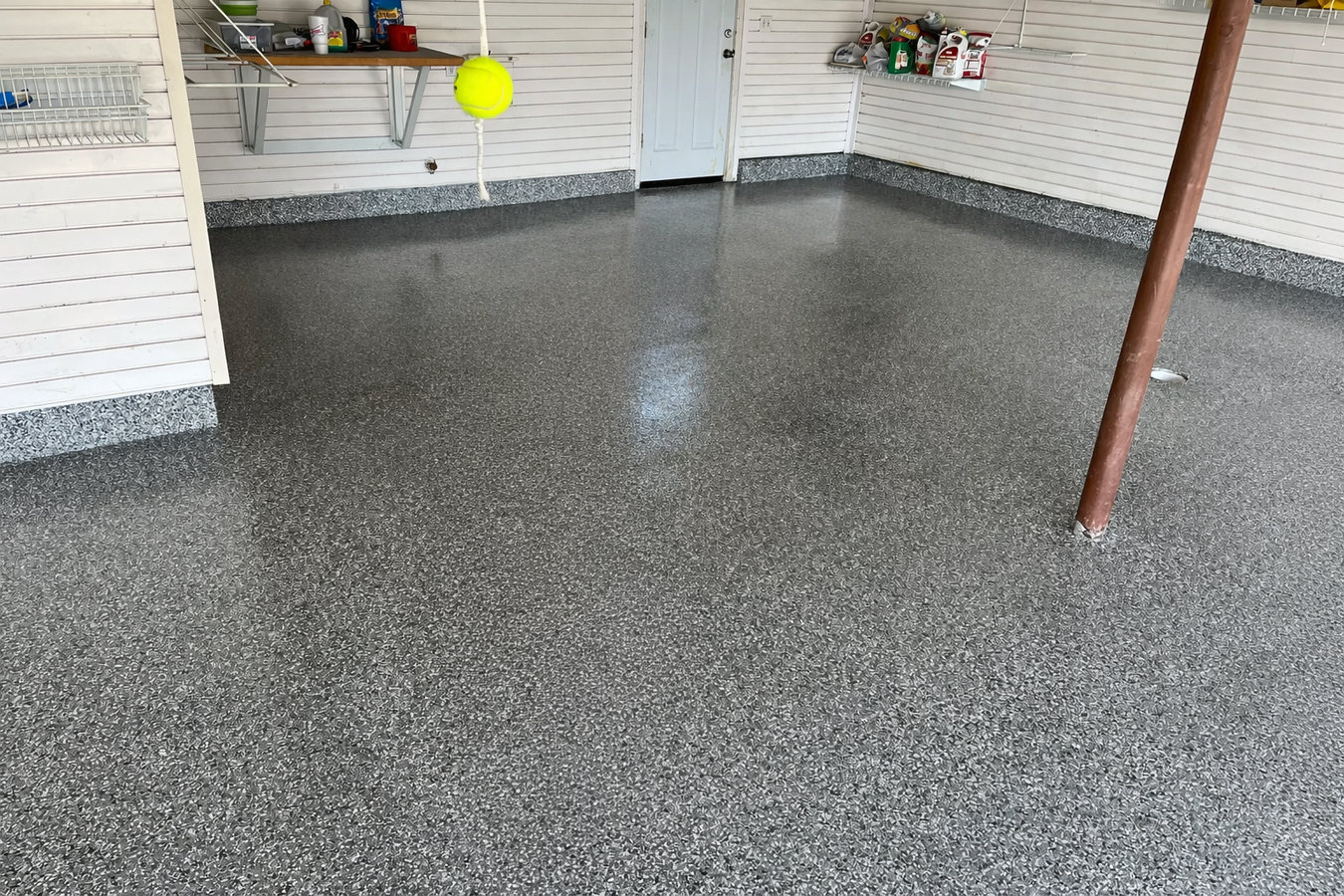
Cracked, pitted, or uneven garage floors don't have to stay that way. We replace aging Downey slabs with fresh concrete built to handle Southern California conditions for decades.
Garage floor concrete in Downey covers the full process - removing your old slab, compacting the ground underneath, and pouring fresh concrete that cures into a solid, level surface. Most standard two-car garage jobs are completed in one to two days of active work, with a curing period of at least seven days before you can drive on it.
A large share of Downey homes were built between the 1940s and 1970s. That means many garage slabs are 50 to 80 years old - often thinner than current standards and sitting on soil that has shifted through decades of wet and dry seasons. Patching a slab that has already settled uneven is rarely worth it.
If you're thinking about upgrading the floor finish at the same time, see our decorative concrete options - epoxy coatings and textured finishes are popular choices for Downey homeowners using their garage as more than just parking.
If you can catch a coin in the crack or feel it through your shoe, the slab has shifted beyond what patching can fix. In Downey's older housing stock, cracks like these usually mean the alluvial soil beneath has compressed unevenly. Left alone, they grow.
A properly installed garage floor is sloped toward the door so water runs out. Puddles forming in the middle or back of your garage mean the floor has settled unevenly. In Downey, where winter storms can drop a lot of rain quickly, standing water accelerates surface deterioration.
When the top layer of concrete starts to chip or crumble, the slab is spalling. This is common in older Downey homes where the original concrete mix or finishing technique was below current standards. Once spalling starts, it tends to spread - patching won't stop it.
If there is a significant drop from your driveway apron into the garage, the interior slab has sunk relative to the surrounding concrete. This is common in the Los Angeles Basin and creates both a trip hazard and a drainage problem that worsens every rainy season.
Our garage floor work starts with a full tearout of the existing slab. We break up the old concrete, haul away the debris, and then grade and compact the soil underneath to create a stable base. That base prep step is where most of the durability of a garage floor is actually decided - and it is also where shortcuts show up as cracks two or three years later.
After the pour, you choose your finish. A broom finish is the practical standard - textured, non-slip, and easy to maintain. If you want the garage to look more finished, we can apply a smooth trowel finish or help you plan for an epoxy or decorative coating once the concrete has fully cured. For Downey homeowners converting garage space into a gym, workshop, or ADU-adjacent room, the floor finish is worth thinking about early.
We also handle interior slab work beyond the garage. If you need concrete floor installation for an addition, a converted space, or another interior area, the process is similar and we can often scope both projects together.
Best for garages with cracked, settled, or spalling concrete that patching cannot fix.
The standard choice - slightly textured surface that provides traction and looks clean.
A cleaner look for homeowners who want the garage floor to feel more like finished interior space.
Downey's housing stock is older than most people realize. The bulk of the city was developed between the late 1940s and early 1970s, which means many garage floors are 50 to 80 years old. Those slabs were often poured thinner than today's standards and on soil that has had decades to shift. The alluvial soils common across the Los Angeles Basin - loose, layered deposits that compress unevenly under a slab - are part of why concrete settles and cracks so predictably here. According to the California Geological Survey, expansive soils across the LA Basin are a leading cause of concrete movement and cracking in residential properties.
Downey summers also matter for the pour itself. When temperatures climb into the 90s, concrete can dry too quickly on the surface before it has cured underneath - which leads to surface cracking that is hard to fix. Scheduling pours for early morning and using proper curing techniques during summer is not optional here, it is part of doing the job right. We work in Downey and surrounding cities including Norwalk and Compton, so we know exactly what the soil and climate conditions mean for a project like this.
The City of Downey also requires permits for certain concrete work, particularly when a project involves drainage changes or connects to the structure of the home. We handle the permit process on your behalf when it is required - so your project is on record and you are protected if you ever sell. Homeowners in Long Beach and other nearby cities face similar permit requirements, and we are experienced navigating all of them.
Call or submit a form and we will reply within one business day. We will ask a few basic questions - garage size, current slab condition, and what you want to use the space for - then schedule a free on-site visit before giving you a written number.
During the visit we look at the existing slab, check for cracks or drainage issues, and confirm whether a Downey permit is needed for your project. This is your best chance to ask about finish options and get clear answers about what the work costs.
We break up and haul away the old concrete, then grade and compact the soil underneath. The pour happens next, typically scheduled for early morning in warmer months to give us proper working time before the surface starts to set.
You can walk on the floor within 24 to 48 hours, but keep vehicles off it for at least a week. Once the floor has cured, we do a walkthrough together - you check the finish, we address any concerns, and you keep the permit paperwork for your records.
Free on-site estimate. No obligation. We reply within one business day.
(562) 636-0357We spend real time compacting and grading the soil before any concrete goes down. In Downey's alluvial soil conditions, this step determines whether your floor holds for decades or starts cracking within a few years. We do not rush it.
Concrete poured in Downey's summer heat needs to be scheduled early in the morning and protected during curing. We have worked in this climate for years and know exactly what a hot-weather pour requires. You won't get surface cracks from a rushed job.
The California Contractors State License Board requires all contractors doing work over $500 to be licensed - you can verify our license on the CSLB website. We also handle City of Downey permit pulls on your behalf so the project is on record.
We do a thorough site assessment before giving you a written number, and that number covers demo, haul-away, base prep, and finish. Downey homeowners tell us the biggest fear is a quote that climbs once the crew shows up. Ours doesn't.
Garage floors are not glamorous, but a bad one affects every day you use that space. Whether you are clearing a home built in the 1950s or setting up a garage for a completely different purpose, the work we do is built to last through Downey's climate and soil conditions - not just to look good on day one. Learn more from the American Concrete Institute about what quality concrete construction actually involves.
Upgrade your garage or outdoor surfaces with stamped patterns, stained finishes, or exposed aggregate that goes beyond plain gray.
Learn moreInterior slab work for living spaces, additions, and commercial areas where a smooth, level surface is essential.
Learn moreSummer schedules fill fast - reach out now and we will get you on the calendar before your preferred window closes.